
Piriformis
The Piriformis is a muscle located deep within the Glutes. It’s role is to aid external rotation (turning out) of the hip joint.
Piriformis syndrome is usually caused by a tightening of the piriformis muscle and can be caused by Overload (or training errors) and Biomechanical Inefficiencies.
Piriformis syndrome is commonly associated with sports that require a lot of running, change of direction or weight bearing activity or in people who lead a sedentary lifestyle.
Other overload causes include:
- Exercising on hard surfaces, like bitumen or concrete;
- Exercising on uneven ground without your recovery accounting for those angles
- Beginning an exercise program without warm ups or after a long lay-off period without a progressive loading strategy
- Increasing exercise intensity or duration too quickly;
- Exercising in worn out or ill fitting shoes;
- Sitting for long periods of time.
Biomechanical Inefficiencies:
The major biomechanical inefficiencies contributing to piriformis syndrome are:
- Faulty foot and body walking or running mechanics. Running or walking with your toes pointed out.
- Gait disturbances and poor posture or sitting habits.
- Spinal problems like herniated discs and spinal stenosis.
- Tight, stiff muscles in the lower back, hips and buttocks.
Prevention. There are a number of preventative techniques that will help to prevent piriformis syndrome
- A thorough and correct warm up.
- Rest and recovery. This can include actual rest or light intensity non weight bearing activities on your body
- Strengthening and conditioning the muscles of the hips, buttocks and lower back.
- Improving flexibility
- Modifying equipment or sitting positions,
- Taking more short breaks from extended seating or standing positions
Stretches
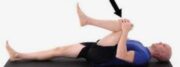
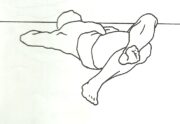

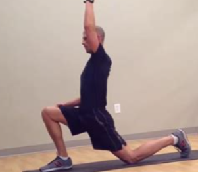
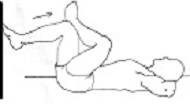
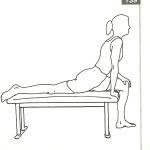

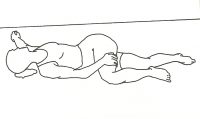
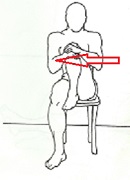
https://health.clevelandclinic.org/piriformis-syndrome-stretches-exercises
https://fitnessvolt.com/best-piriformis-stretches/